Uninsured & Underinsured Motorist Coverage in CT | Shehu Law
Why Every Connecticut Driver Needs Strong Protection
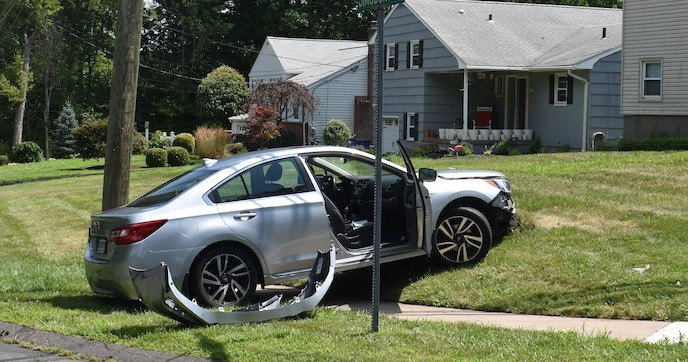
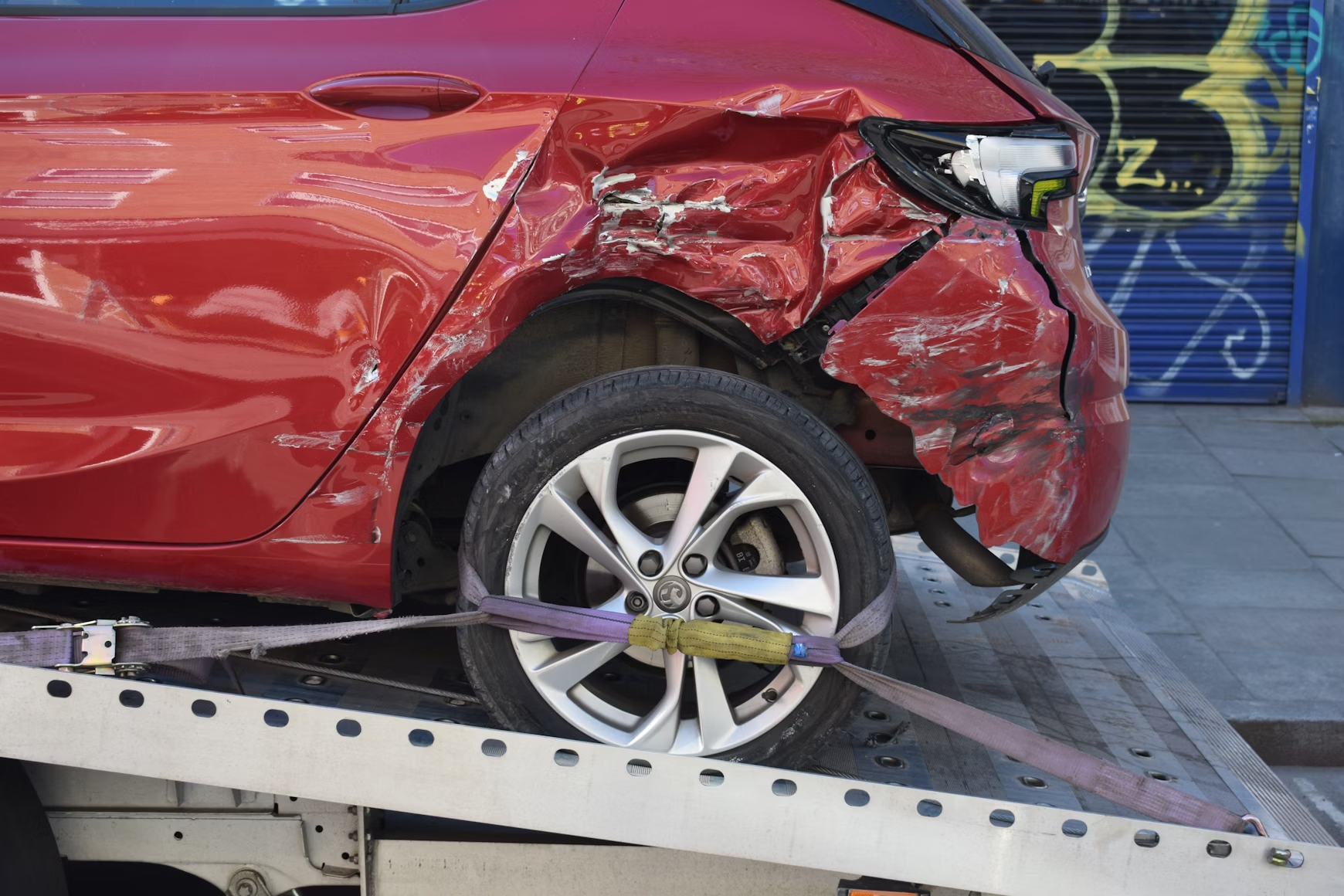
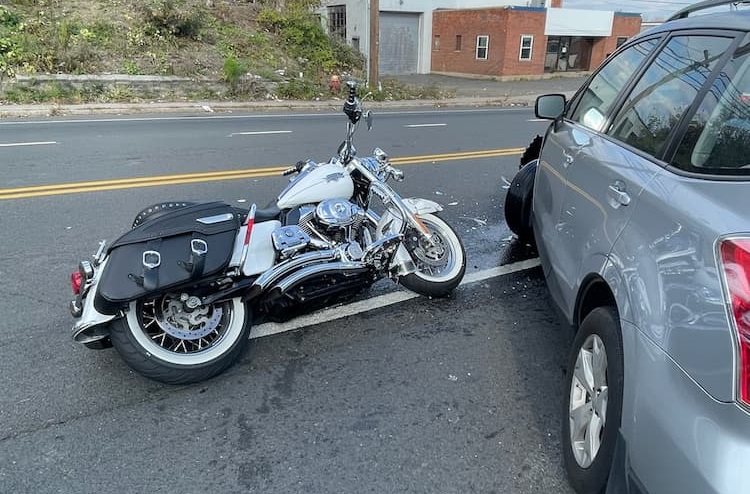
When you’re injured in a car accident in Connecticut, one of the biggest financial risks comes from a driver who carries no insurance or not enough insurance to cover your losses. Unfortunately, this situation is far more common than many people realize especially in cities like Hartford, Waterbury, New Britain, Bridgeport, East Hartford, and New Haven, where uninsured driving rates are among the highest in the state.
This is where Uninsured Motorist (UM) and Underinsured Motorist (UIM) coverage becomes critical. These coverages are built into your auto insurance policy and act as a safety net to protect you and your family when the at-fault driver cannot.
Why UM/UIM Coverage Matters in Connecticut
Connecticut law requires every driver to carry auto insurance, yet thousands of people on the road have no coverage at all. Even those who do comply with the law often carry only the minimum limits, which are far too low to cover serious injuries.
Connecticut’s Minimum Bodily Injury Liability Requirements
State law requires at least:
- $25,000 per person
- $50,000 per accident
This means that if multiple people are hurt, all medical expenses and compensation must be divided into that $50,000 limit.
For a serious accident, this barely scratches the surface. Medical bills, lost income, pain and suffering, and long-term treatment can easily exceed $100,000, leaving injured victims exposed.
Understanding Your UM/UIM Coverage
Under Connecticut General Statute § 38a-336, all insurance companies must offer UM/UIM coverage.
Uninsured Motorist (UM) Coverage
UM applies when the at-fault driver:
- Has no insurance
- Flees the scene (hit-and-run)
- Is an unlicensed or excluded driver
UM pays for:
- Medical expenses
- Lost wages
- Pain and suffering
- Permanent injuries
- Other damages up to your policy limits
Underinsured Motorist (UIM) Coverage
UIM applies when the at-fault driver has insurance, but not enough to cover your damages.
Connecticut offers two types of UIM:
1. Standard UIM (Offset Coverage)
Your insurer reduces your policy limits by what you received from the at-fault driver.
Example:
- At-fault driver pays $25,000
- Your UIM limit is $25,000
- Your insurance owes nothing more (you receive no additional compensation)
2. Conversion UIM (Recommended)
This is the best protection.
What you recover from the at-fault driver does not reduce your benefits.
Example:
- At-fault driver pays $25,000*
- Your UIM limit is $25,000
- Your policy pays another $25,000
This coverage prevents gaps and maximizes your recovery.
How UM/UIM Claims Work
UM Claims
If the at-fault driver has no insurance, your UM coverage applies immediately.
UIM Claims
Before filing, you must:
- Exhaust the at-fault driver’s policy limits
- Obtain confirmation (usually via affidavit) that no additional insurance exists
Only then will your insurer begin evaluating your UIM claim.
Important: UM/UIM covers injuries not vehicle damage. For your car, you need collision coverage.
Example: How Coverage Gaps Affect You
Imagine your injuries total $100,000.
Scenario 1: Uninsured Driver
- Driver has no insurance
- Your UM limit: $25,000
- You receive $25,000
- You're left with a $75,000 shortfall
Scenario 2: Underinsured Driver (Standard UIM)
- At-fault pays $25,000
- Your UIM limit: $25,000
- Your insurer pays $0 (because the limits match)
Scenario 3: Conversion UIM (Best Option)
- At-fault pays $25,000
- Your UIM pays another $25,000
- Total recovery: $50,000
Higher policy limits eliminate most of these gaps.
What If You Were Working at the Time of the Accident?
If the crash happened while you were on the job, you may qualify for workers’ compensation benefits, which cover:
- Medical treatment
- Lost wages
- Certain disability benefits
However, UM/UIM insurers may reduce your payout by:
- Workers’ comp benefits you received and did not repay
- Specific workers’ comp awards
This prevents “double recovery.”
If you must repay workers’ comp from your settlement, Connecticut law often reduces the repayment by one-third, allowing you to keep more of your compensation.
Will Filing a UM/UIM Claim Increase Your Insurance Premium?
No.
In Connecticut, UM/UIM claims are considered non-fault claims.
Under General Statute § 38a-686, insurers cannot surcharge your policy for:
- Accidents caused by someone else
- UM/UIM claims
- Hit-and-run accidents
- The first or second not-at-fault accident in your policy period
This law protects drivers from being punished for situations they did not cause.
Why You Should Consider Raising Your UM/UIM Limits
The reality is simple:
- Medical bills are high
- Many CT drivers are uninsured or underinsured
- The minimum required limits are not enough
- Conversion coverage can make the difference between full and partial recovery
UM/UIM protects you not the other driver.
At Shehu Law, we strongly recommend reviewing your policy and increasing these limits if possible.
Injured by an Uninsured or Underinsured Driver in Connecticut?
If you were hit by a driver with no insurance or inadequate coverage, Shehu Law can help you:
- Navigate workers’ comp and UM/UIM claims
- Prove negligence and damages
- Maximize your compensation
- Handle insurance negotiations
- Protect you from set-offs and repayment traps
We serve clients throughout Waterbury, Wethersfield, Hartford, New Haven, New Britain, East Hartford, and surrounding Connecticut communities.
Contact Shehu Law Today
You shouldn’t pay the price for someone else’s irresponsibility.